
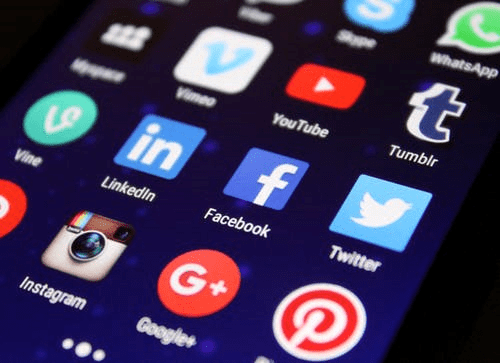
Technological advancements in mass media have given rise to a free and open culture of communication. The Internet opened up the world by providing a means for people around the globe to connect to one another through social networks. Social networks such as Facebook, Twitter, Instagram, and the like, allow previously unconnected individuals to socially interact and form relationships that help shape society. “Mass media has completed a paradigm shift from content and programming we chose to accept, to content designed to shape our society” (Dean, 2010, para 14). Social networks gurus like Mark Zuckerberg (Facebook CEO) believed that making the Internet more social makes society more democratic: “People sharing more — even if just with their close friends or families — creates a more open culture and leads to a better understanding of the lives and perspectives of others…” (Gustin, 2012, para 5). This democratization of information is, perhaps, one of the greatest achievements of the Internet (and especially social media) because the open exchange of information between vast numbers of individuals shifted the power of mass media to the public.

Before the proliferation of social media, mass media primarily consisted of print, radio, and television. These were closed systems that controlled the types of information that humans were exposed to in terms of education, news, and entertainment. Because of social media’s ability to facilitate the open exchange of information, audiences are able to openly engage with professional communicators (e.g., news organizations and marketers) through avenues such as comments on blogs and chat rooms, that influence how information is presented to them. This engagement has led to mass media restructuring their business models to accommodating the needs and wants of their audiences by gaining an understanding of them through two-way communication on social media versus a one-way communication that pushes news, ideas, and information to them. Gustin (2012) points out that the power of the Internet is a force for social connections as well as social and political change, with three main features: “it’s democratic, because everyone in the free world has access to the same internet; it’s meritocratic, because success on this platform is a function of one’s ideas, not traditional categories of wealth or class; and its viral, because the web enables good ideas to spread at light-speed and reach millions” (para 4). Bad ideas are also spread via the Internet (as demonstrated by the struggles that Facebook and other social media channels are experiencing with the spread of misinformation, volatile rhetoric, and potential violence); however, this does not negate the fact that the free exchange of information has led to a more free and open culture of communication.
Resources
Dean, G. (2010). A mediated culture. Marketography. https://marketography.com/2010/11/23/a-mediated-culture/
Gustin, S. (2012, February 02). Why facebook’s ipo matters. Time. https://business.time.com/2012/02/02/why-facebooks-ipo-matters/
MarK Zuckerberg Image courtesy of Justin Sullivan – Getty Images
 The Haynes Company